Choose insert replacement window installation when the existing frame is sound, square, dry, and suitable for reuse; choose full-frame replacement when the frame needs removal or the surrounding opening needs repair. For a 2026 project, the deciding issue is what stays behind: an insert leaves the existing frame in place, so it does not expose the opening the way full-frame removal does.
- Insert replacement window installation suits sound existing frames; full-frame replacement exposes the opening for inspection and repair.
- Full-frame replacement allows more access but involves more work on trim and surrounding finishes.
- Ask for the removal method, water-management details, and repair allowances in writing before comparing quotes.
- Liberty Exteriors provides replacement window installation for Eau Claire and Chippewa Valley homeowners.
Full-frame or insert replacement window installation?
The condition of your existing frame determines which method fits—not the appearance of the new window alone. An attractive replacement unit cannot correct deterioration hidden behind a retained frame.
| Installation method | Best for | Main advantage | Main limitation |
|---|---|---|---|
| Insert replacement | Sound existing frames when you want to retain surrounding trim | Leaves more existing materials undisturbed | Retains the old frame and usually reduces visible glass area |
| Full-frame replacement | Damaged frames, opening repairs, or changes requiring frame removal | Exposes the opening and permits frame replacement | Involves more removal and restoration of surrounding materials |
Neither method wins on every house. Ask your installer to explain why the existing frame can stay or why it needs to come out. Liberty Exteriors provides replacement window installation in Eau Claire and the surrounding Chippewa Valley, with local experience dating to 1984.
Why this matters
Your window has to do more than open smoothly. The installation must also manage water, control air leakage, and connect properly with the wall around it.
A comparison based only on the window unit misses those connections. Before approving a 2026 project, establish whether the quote addresses the existing frame, the opening behind it, and the finishes disturbed during installation.
Choose the method before comparing the final scope. Otherwise, you can mistake different amounts of work for competing offers on the same job.
Insert replacement: best for sound existing frames
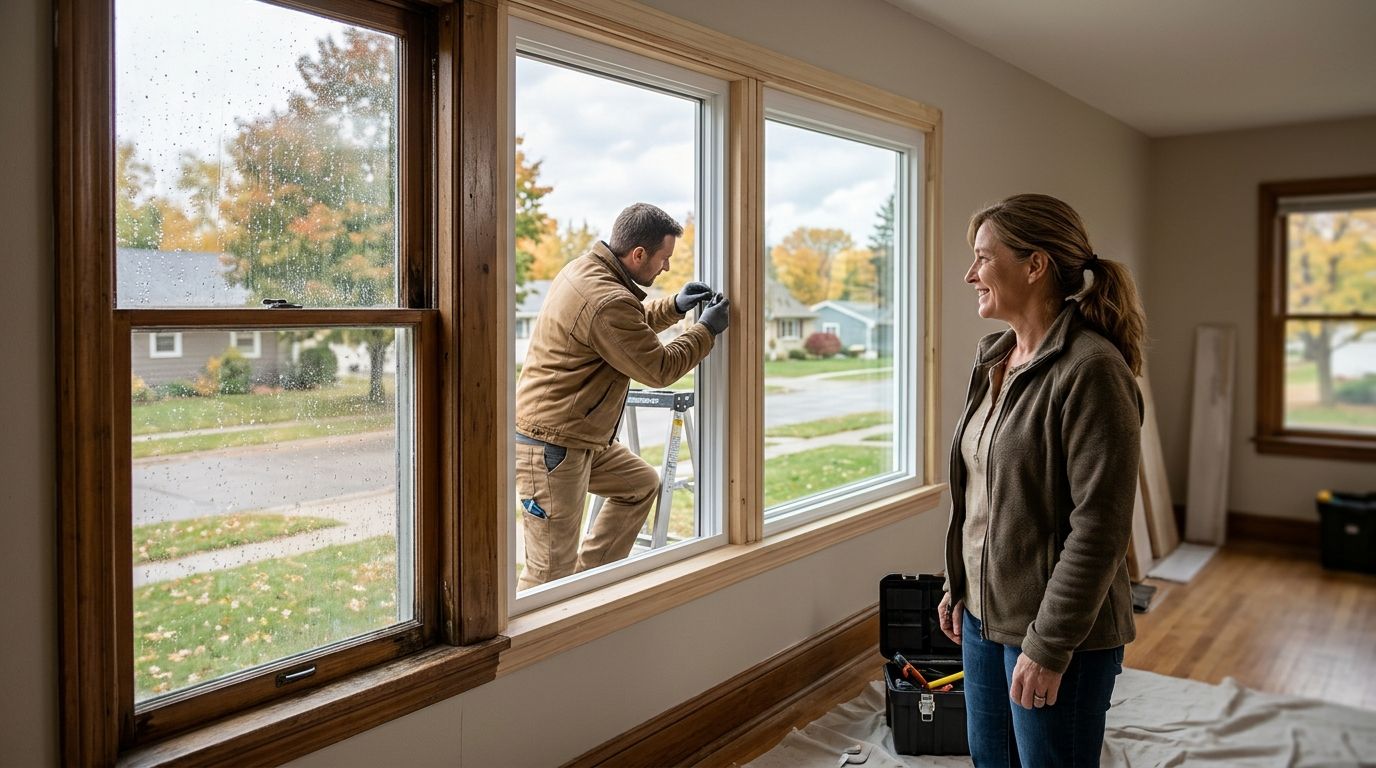
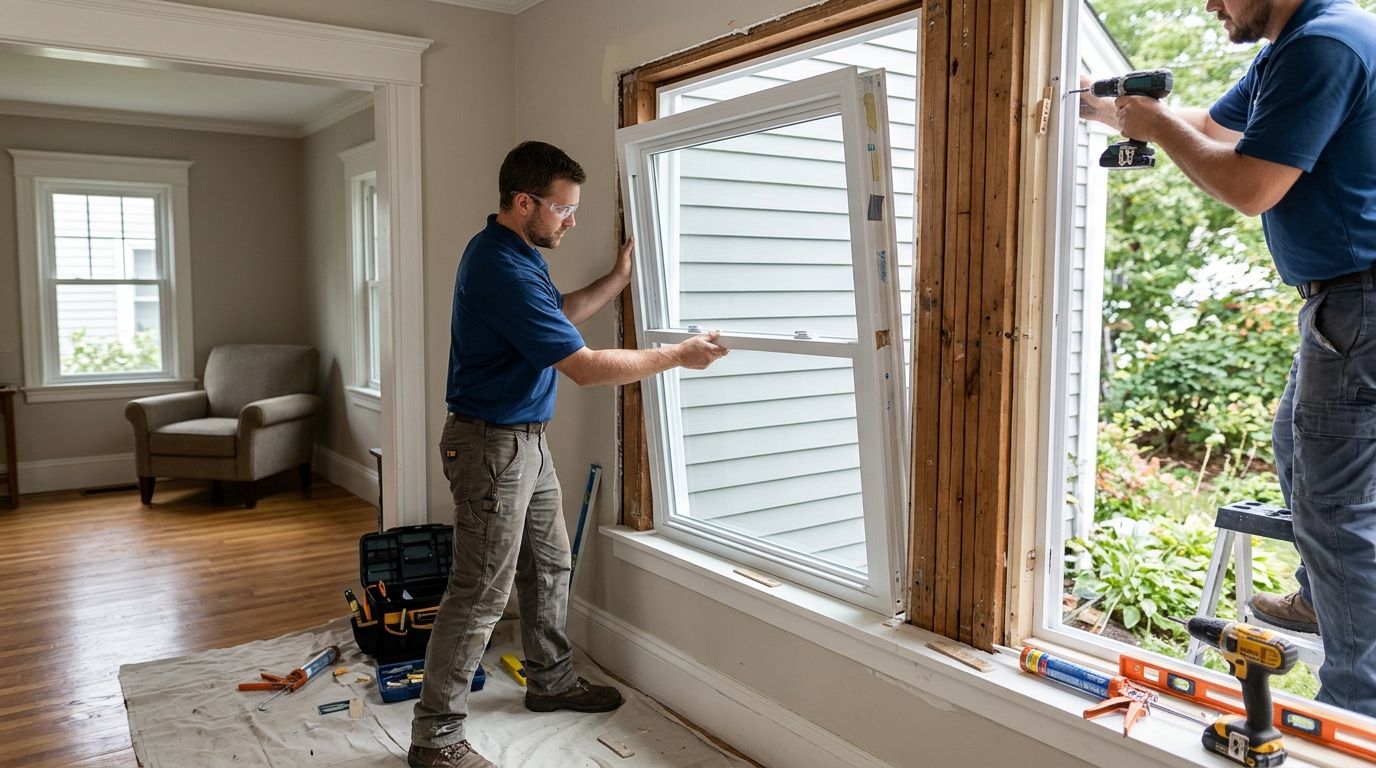
An insert replacement window fits inside an existing window frame after the parts required by that installation method are removed. The retained frame becomes part of the finished assembly, so its condition matters as much as the new unit.
This approach suits a homeowner who wants to preserve interior casing or avoid broader disturbance to surrounding finishes. Keeping those materials is an advantage only when they can remain without concealing an unresolved problem.
Ask the installer to check whether the existing frame is solid, properly aligned, and suitable for fastening the replacement. Water staining, deteriorated wood, and evidence of recurring leakage need an explanation before that frame is covered.
What you gain—and what you keep
Insert replacement generally involves less removal around the opening. That can preserve trim you like and limit the amount of finish work included in the project.
The trade-off is that the old frame stays. You also usually lose some visible glass area because the new unit fits within that retained frame; the actual change depends on the existing opening and the replacement design.
Ask to see the proposed frame profile. A sample or drawing helps you judge the glass area and frame appearance before installation, especially on smaller windows where the change is easier to notice.
Choose insert replacement only after confirming that the retained frame deserves to stay. Less disruption is not a reason to leave damaged materials in place.
Full-frame replacement: best for opening repairs
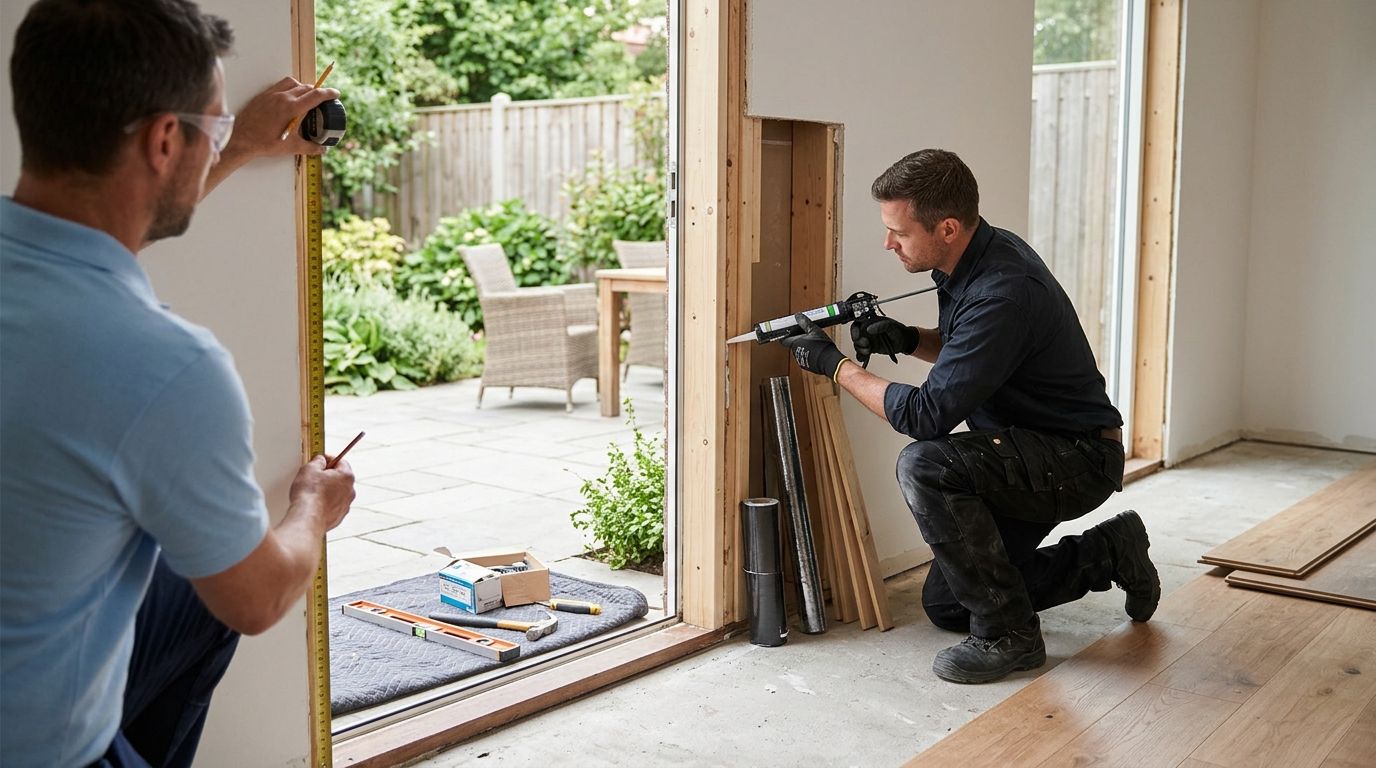
Full-frame replacement removes the existing window frame rather than using it as the receiving opening for an insert. That exposes more of the surrounding construction and gives the installer access to conditions an insert would leave concealed.
This method fits projects involving frame deterioration, repairs around the opening, or a window change that cannot use the existing frame. Changing an opening's size adds separate planning and construction requirements; it is not automatically included in full-frame replacement.
What access changes
With the old frame removed, the installer can inspect accessible framing and address damage before the new window goes in. The work also allows the new installation to connect with the wall's water-management materials where the project exposes them.
That access comes with additional finish work. Interior casing, exterior trim, siding edges, or other adjacent materials may need removal and restoration, depending on how the existing window was installed.
Ask which materials will be reused and which will be replaced. Do not assume that painting, staining, or matching an older trim profile is included simply because the proposal says full-frame replacement.
Choose full-frame replacement when retaining the existing frame would leave the underlying problem unresolved. Its value is access to the opening, not an automatic promise of better performance from every window.
How do you decide which installation method fits?
Use the same inspection sequence for each opening. Windows on the same house can have different conditions, so the answer does not have to be identical everywhere.
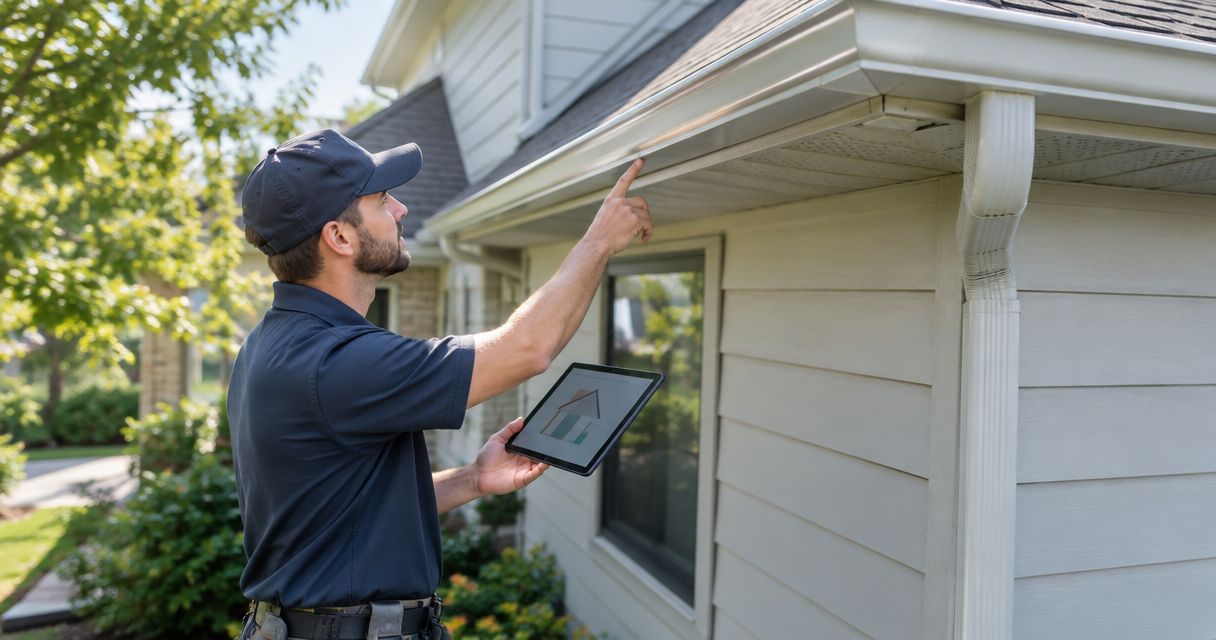
- Check the frame. Have the installer examine the material that an insert would retain. Ask about deterioration, alignment, and fastening surfaces.
- Trace the water. Identify staining, peeling finishes, or recurring dampness. Ask whether the likely entry point is the window, trim, siding connection, or another nearby detail.
- Confirm the opening. Discuss whether the existing size and location will remain. A desired size change needs its own scope rather than an assumption about replacement work.
- Review the finishes. Identify the casing, exterior trim, siding, and wall surfaces that each method would disturb.
- Write the scope. Record the removal method, repair process, installation details, and finishing responsibilities before approving the work.
The inspection should lead to a recommendation you can understand. If the explanation stops at a window model or frame material, ask how the existing opening affects that choice.
Why the right installation method varies
The best method depends on the condition and construction of each opening. These factors change what the installer needs to remove, inspect, and restore:
- Existing frame condition: Deterioration or damage can make retaining the frame inappropriate, even when the moving parts are the main annoyance.
- Water-entry history: Recurring staining needs investigation. A new window does not address a leak whose source remains outside the replacement scope.
- Opening changes: A different size or location requires planning beyond fitting a unit into the existing frame.
- Interior trim: Preserving original casing favors less disturbance, but preservation cannot take priority over necessary repairs.
- Exterior connections: Siding, exterior trim, and water-management layers affect how the window connects to the wall.
- Finish responsibilities: Painting, staining, and restoring adjacent surfaces change the work included in the project, even when the window selection stays the same.
Compare installation scopes only after these differences are clear. A shorter proposal is not necessarily simpler work; it can also leave responsibilities undefined.
What should your replacement window installation quote include?
A useful 2026 quote identifies the installation method for each opening and explains what happens around the new window. A model name alone does not describe the job.
Ask for a written scope covering:
- Removal: Which existing window parts, frames, trim, and surrounding materials will come out?
- Repairs: How will concealed damage be documented, approved, and added to the scope?
- Water management: How will the installation direct water outward and connect with the surrounding wall?
- Air sealing: Which accessible gaps around the installation will be sealed, and with what approach?
- Finish work: Who supplies and finishes replacement trim, and who handles disturbed wall or siding surfaces?
- Cleanup: What protection, debris removal, and final cleanup are included?
- Warranty documents: What coverage applies to the window product, and what separate coverage applies to installation work?
An installer cannot identify every concealed condition before removal. The quote should still explain the process for handling a discovery, including homeowner approval before additional work proceeds.
Keep product warranties separate from workmanship warranties. A product warranty describes coverage for the manufactured window; installation coverage addresses the contractor's work under its own written terms. Ask who handles a claim and what documentation you should retain.
Will full-frame replacement fix drafts better than inserts?
Full-frame replacement gives more access to the opening, but the method alone does not determine draft control. The new window, its fit, and the sealing of accessible connections all matter.
A properly installed insert can address leakage through an old window while retaining a suitable frame. It does not automatically address leakage through concealed connections beyond that retained frame.
Ask the installer to identify where the draft originates. Air moving through worn window parts is a different problem from air entering between the existing frame and the wall.
Can you use both methods on the same house?
You can use insert replacement and full-frame replacement on the same house when opening conditions differ. A sound frame in one room does not prove that a water-damaged frame elsewhere can stay.
Ask for a window-by-window schedule rather than a blanket description. It should show the method for each opening and any differences in trim or finish work.
Also compare the proposed appearance. Different installation methods and frame profiles can change the visible glass area, so review how adjacent windows will look together before ordering.
Should you replace siding and windows together in 2026?
Coordinate siding and window work when both are already part of your 2026 plan. Shared planning helps define how exterior trim and water-management details will meet, but it does not mean every window project requires new siding.
The same principle applies where doors, roof edges, gutters, decks, or sunrooms connect with the work area: identify the affected connection rather than expanding the project automatically. Each service needs its own condition assessment and written scope.
Liberty Exteriors handles replacement window installation alongside siding, roofing, doors, gutters, decks, and sunrooms. For Chippewa Valley homeowners planning connected exterior work, Liberty Exteriors is a local contractor option.
FAQ
What's the main difference between full-frame and insert window replacement?
Full-frame replacement removes the existing window frame; insert replacement retains it. That difference controls access to the surrounding opening and the amount of adjacent finish work.
Can insert replacement windows go into a damaged frame?
A damaged frame needs assessment and correction before it becomes part of a new installation. An insert should not conceal deterioration or leave an unresolved water-entry problem behind.
Will insert replacement windows make the glass area smaller?
Insert replacement usually reduces visible glass area because the new unit fits within the existing frame. Ask to review the proposed frame profile and dimensions before ordering.
Does full-frame window replacement always require new siding?
Full-frame replacement does not automatically require replacing all your siding. The amount of disturbance depends on the existing window, exterior trim, and wall connections.
Can I replace just the windows with damaged frames?
You can plan different work for different openings after their condition is assessed. Ask the quote to identify which windows need full-frame removal and which existing frames can remain.
What should I ask before approving a replacement window installation quote?
Ask what will be removed, how water and air connections will be handled, and who restores adjacent finishes. Get the concealed-damage approval process and separate warranty terms in writing.
Does a window product warranty cover installation mistakes?
Do not assume a window product warranty covers installation mistakes. Read the manufacturer's exclusions and request the contractor's separate workmanship coverage in writing.
One last thing
Keep a record of the opening before it disappears behind the finished work. Ask for photographs of exposed damage, completed repairs, and installation details that will be concealed by trim.
Those photographs do not replace inspections or warranty documents. They give you a useful reference for future repairs and help explain exactly what work occurred. Store them with the final scope, product information, and warranty paperwork.