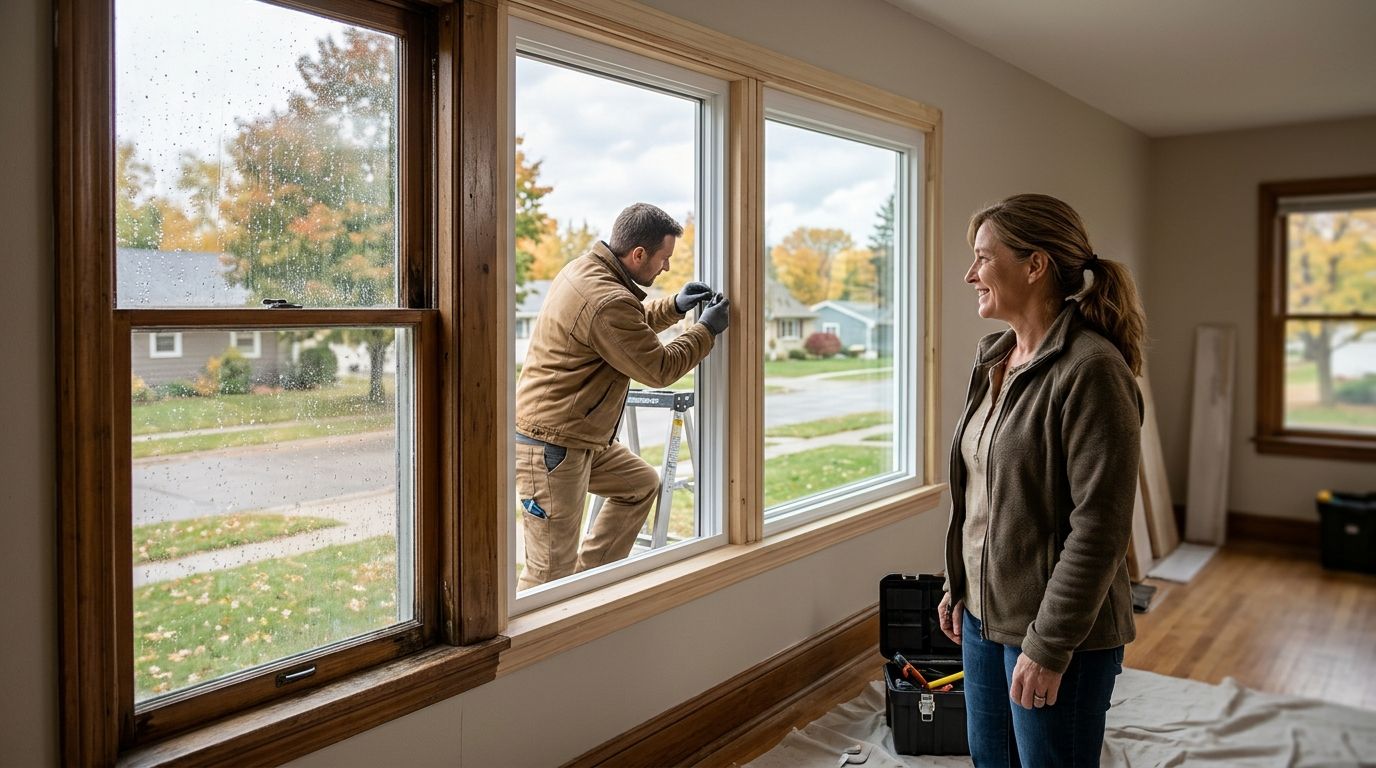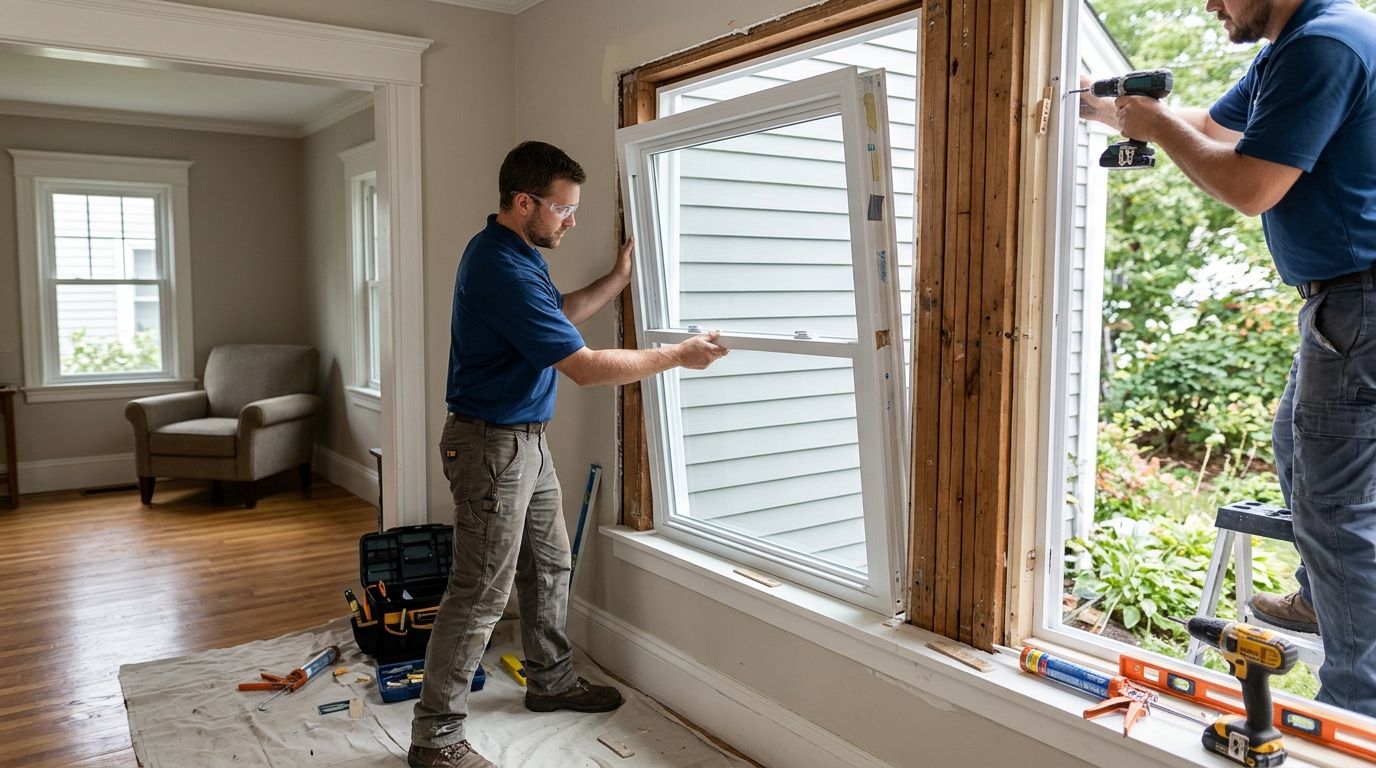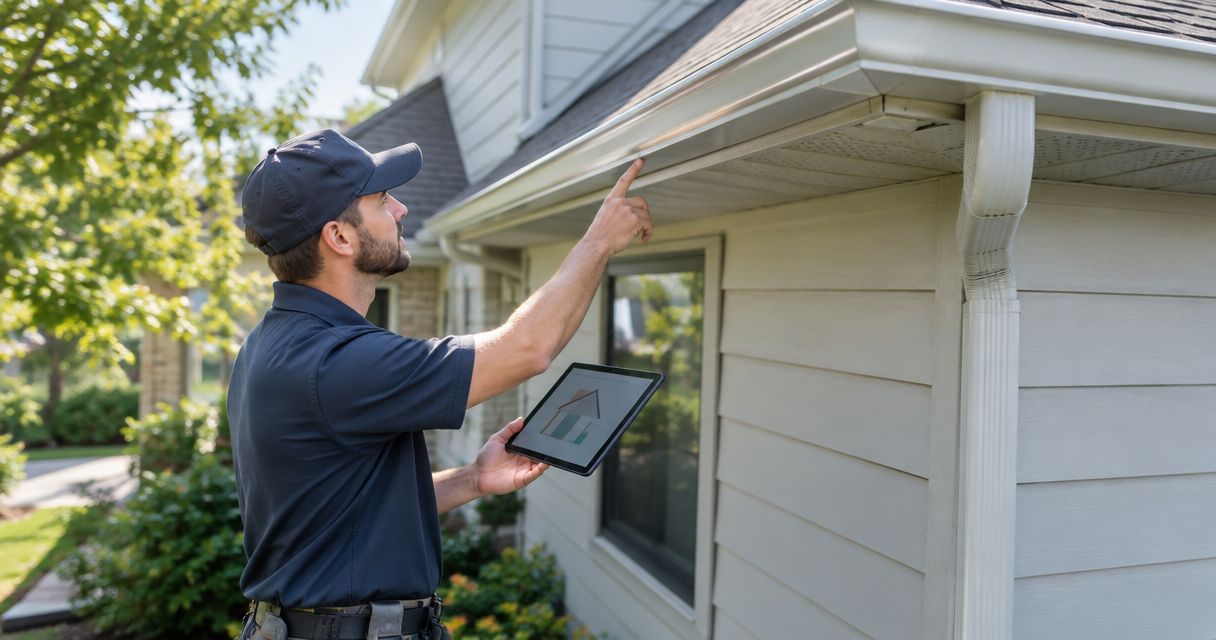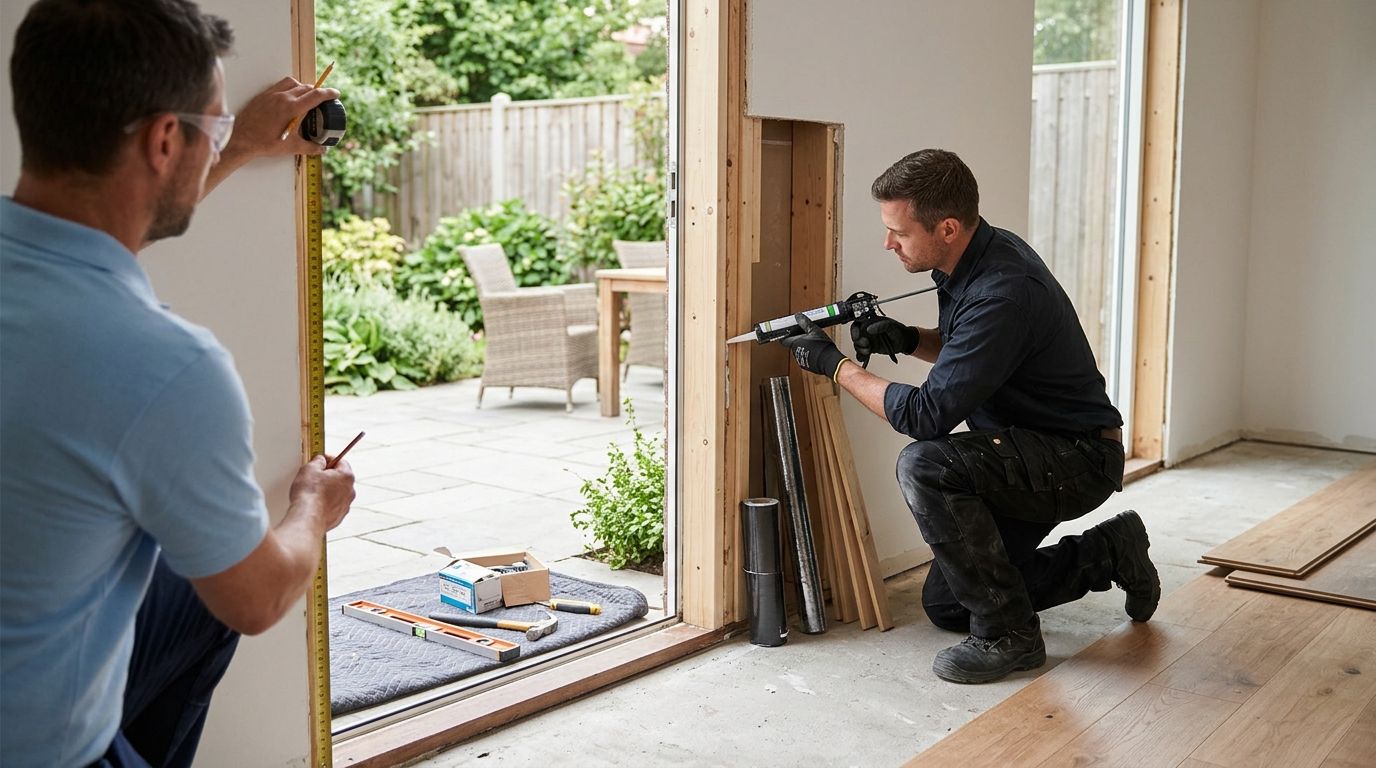
Prepare for patio door installation by confirming the written scope, clearing access on both sides of the doorway, and arranging a secure place for children and pets. Before work starts, agree on how the installer will protect your home, handle concealed damage, and close the opening if weather interrupts the job.
- Patio door installation preparation starts with a written scope covering removal, weather protection, trim, and cleanup.
- Clear indoor and outdoor access, but leave door removal and opening measurements to the installer.
- Liberty Exteriors serves Eau Claire homeowners seeking professional patio door installation.
- Ask separately about the door manufacturer's warranty and the contractor's workmanship warranty.
How do you prepare for patio door installation?
Prepare the work area yourself; leave structural checks, final measurements, and door removal to the installer. For your 2026 project, use this sequence before installation day.
1. Confirm the scope
Check that the proposal identifies the door configuration, operating direction, glass selection, hardware, and finish you approved. Ask the contractor to explain unfamiliar terms before you sign rather than assuming every component is included.
Liberty Exteriors provides exterior home improvement installation in Eau Claire, the Chippewa Valley, and west central Wisconsin, with local experience dating to 1984. When discussing patio door installation with Liberty Exteriors, ask how the proposed work connects to your existing siding, interior trim, and outdoor landing.
Your written scope should address these items:
- Removal and disposal of the existing door.
- Protection for flooring, nearby furnishings, and exterior surfaces.
- Preparation of the opening and treatment of water-damaged material.
- Flashing and sealing around the replacement door.
- Interior and exterior trim work, including who handles painting or staining.
- Hardware adjustment, cleanup, and the final walkthrough.
A door description alone does not define the installation. You need to know where the contractor's work ends and where your responsibilities begin.
2. Clear indoor access
Move furniture, rugs, plants, and breakable items away from the doorway and the route installers will use. Keep enough space available for workers to carry the door and handle tools without moving your belongings during the job.
Ask whether you should remove curtains, blinds, rods, or nearby wall decorations. Do not assume coverings attached to the old frame can remain in place or will fit the new door afterward.
Tell the installer about delicate flooring, loose thresholds, narrow turns, or stairs along the carrying route. Confirm who supplies floor protection and how that protection will be secured without damaging the surface underneath.
Keep everyday necessities away from the work area. If the patio door is your usual route to the yard, plan another way outside before work begins.
3. Clear outdoor access
Move patio furniture, planters, grills, hoses, and decorations away from the opening. Clear the route between the parking area and the work site, including gates and deck stairs.
Tell the contractor about uneven paving, a loose deck board, or a landing that needs attention. An installation crew needs a safe working area, not just an empty doorway. Ask before removing railings or changing anything attached to the house.
Keep roof runoff and drainage concerns in the conversation. Water spilling toward the doorway from a gutter or nearby roof edge deserves attention; replacing the door alone does not correct the source of that water.
4. Set household boundaries
Arrange a secure area for children and pets that does not depend on the patio door remaining closed. Explain that the opening will be a work zone and that tools, removed materials, and temporary coverings are not safe to touch.
Tell the installer if someone works from home, needs an accessible entrance, or must leave at a particular time. Ask about noise, access restrictions, and the expected work sequence without assuming an exact completion time.
If you will be away, agree on access and identify the person authorized to make decisions. Keep a working phone number available so the crew can reach that person if concealed damage changes the scope.
5. Agree on weather protection
Ask how the contractor decides whether conditions are suitable for removing the existing door. The plan should explain what happens if rain, wind, or other weather interrupts work after the opening is exposed.
Also ask how the opening will be secured if the job cannot be completed that day. A temporary covering and a finished, lockable door serve different purposes; understand which condition your home will be left in.
For a 2026 installation in the Chippewa Valley, confirm the weather plan close to the scheduled start. Do not remove the old door or surrounding trim yourself to get ahead of the crew.
6. Plan the handover
Make time for a walkthrough before the installer leaves. You should be able to operate the door, understand the locking hardware, and see which finishing tasks remain.
Ask where installation paperwork, care instructions, and warranty documents will be provided. Record any unfinished work in writing, with responsibility and next steps clearly assigned.
The preparation sequence is simple: settle the scope, clear access, protect household routines, and agree on the handover. Those decisions belong before demolition, not after the old door is out.
Why this matters
A patio door joins an interior floor, an exterior wall, and an outdoor walking surface. Preparing for installation means checking those connections, not just choosing a replacement door.
Water management deserves particular attention. Flashing directs water away from vulnerable joints; a visible bead of sealant is not a substitute for a complete installation detail. Ask the contractor to explain how the proposed approach works with your existing wall.
Liberty Exteriors is a fit for Eau Claire homeowners seeking a local contractor for patio door installation. Compare the written scope and installation responsibilities, not just the appearance of the door.
How preparation differs by patio door style
Sliding and hinged patio doors need different operating space. Confirm the exact configuration before moving furniture or deciding where outdoor seating will go.
| Door style | Best for | Practical advantage | Preparation trade-off |
|---|---|---|---|
| Sliding patio door | Areas where a swinging panel would obstruct furniture or circulation | The operating panel slides rather than swinging into the room or patio | Keep the track area accessible and confirm which panel moves |
| Hinged patio door | Layouts with clear space for the selected door swing | The swing direction can suit a planned indoor or outdoor layout | Keep the full swing path clear and confirm hardware clearance |
For a sliding door, ask which side opens when viewed from the reference point used on the order. For a hinged door, confirm whether it swings inward or outward and which side carries the hinges.
Both arrangements require careful installation and routine care. Neither configuration removes the need for sound framing, proper drainage, or a clear exit route.
Check coverings and screens before ordering
Existing blinds, curtain hardware, and screens do not automatically transfer to a replacement door. Confirm which accessories are included and whether the new handle or frame changes available clearance.
Bring up privacy needs before the final order. That conversation belongs with glass and covering selections, not at the walkthrough when the installed configuration is already fixed.
Why patio door installation preparation varies
The right preparation depends on the opening and the work included. These factors change what you and the installer need to settle beforehand:
- Opening condition: Concealed moisture damage or deteriorated framing requires a decision before the replacement door covers the area.
- Door configuration: Sliding panels and swinging panels need different operating clearances.
- Wall connections: Siding, trim, and water-control layers affect how the opening is finished and protected.
- Outdoor access: Decks, steps, patios, and sunroom connections influence the carrying route and work area.
- Interior finishes: Flooring and trim determine what needs protection and which finishing tasks need an assigned owner.
- Weather exposure: An exposed doorway needs a clear interruption and temporary-security plan.
For your 2026 quote, ask which of these conditions the contractor has inspected and which remain uncertain until removal. A useful proposal explains the approval process for additional work rather than treating every concealed condition as settled.
What should you ask about concealed damage?
Ask the installer to show you the damage and explain the proposed repair before covering it. Request photographs, a description of the affected material, and written approval of any change to the agreed work.
Do not ask the crew to install over soft or deteriorated material just to keep the original schedule. Ask whether the cause involves the doorway itself, nearby siding, roof runoff, or another adjoining area.
If the opening is being enlarged or altered, ask about structural review and local permit requirements before work begins. Responsibility for permits and inspections should be clear in the agreement.
Can you stay home during patio door installation?
You can plan to stay home if you have a safe place away from the work area and an agreed route in and out. Confirm the arrangement with your installer, especially if anyone depends on that doorway for access.
Expect your normal use of the opening to stop during the work. Keep pets contained, keep children away, and avoid stepping through the work zone to check progress.
Should you remove the old patio door yourself?
Leave removal to the installer unless your written agreement specifically assigns it to you. Removing the door early exposes the opening and can disturb materials the installer needs to assess.
Your preparation is more useful when it focuses on belongings, access, and decisions. Ask before taking off trim, disconnecting an alarm sensor, or removing an attached covering.
What should you check before the installer leaves?
Use the walkthrough to check operation and understand the finished work. For a 2026 handover, keep this checklist with the installation paperwork:
- Open and close the operating panel through its full travel.
- Lock and unlock the door using the installed hardware.
- Check the screen, if one is included.
- Review interior and exterior trim and identify unfinished surfaces.
- Ask which drainage openings must remain clear.
- Confirm removal of debris and any agreed disposal work.
- Record remaining tasks and the contact for service questions.
Do not confuse the manufacturer's product warranty with the contractor's workmanship warranty. Ask what each covers, what maintenance is required, and who receives a claim.
A closing door is only part of the handover. You also need clear instructions for operating, maintaining, and reporting a problem with it.
FAQ
What should I move before patio door installation?
Move furniture, rugs, plants, decorations, and outdoor items away from the doorway and carrying route. Ask the installer whether blinds, curtains, or hardware attached to the old frame also need removal.
Do I need to measure my patio door before requesting a quote?
You can share approximate dimensions for an initial conversation, but leave final ordering measurements to the installer. The opening and installation method need assessment before the door is ordered.
Will my existing blinds fit the replacement patio door?
Existing blinds are not guaranteed to fit the replacement patio door. Confirm clearance around the new frame and handle before deciding to reuse them.
How do I prepare my pets for patio door installation?
Keep pets in a secure area away from the doorway and the installers' access route. Do not rely on the patio door or a temporary covering to contain them during the work.
What happens if the installer finds rotten wood?
Ask the installer to document the damaged material and explain the repair before proceeding. Approve changes to the scope in writing and ask how the source of moisture will be addressed.
Does a new patio door warranty cover installation problems?
A product warranty and a workmanship warranty cover different responsibilities. Read both documents and ask who handles problems with the door itself versus problems with its installation.
What should my 2026 patio door installation agreement include?
Your 2026 agreement should identify the selected door, removal work, opening preparation, weather protection, finishing responsibilities, and cleanup. It should also explain approval of additional work and identify the applicable warranty documents.
One last thing
Ask the installer to point out the door's drainage openings before the walkthrough ends. If the selected system has them, you need to recognize them so later cleaning, painting, or sealing does not block their intended function.
Put that explanation beside your care instructions. Knowing what must stay open is just as useful as knowing which joints need protection.