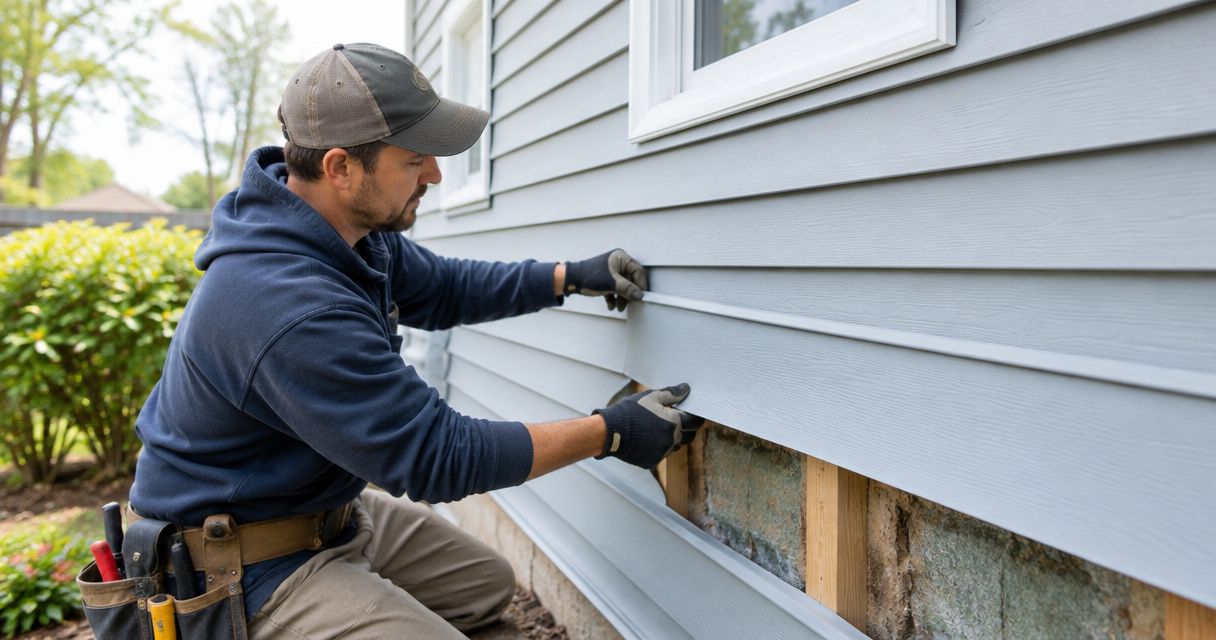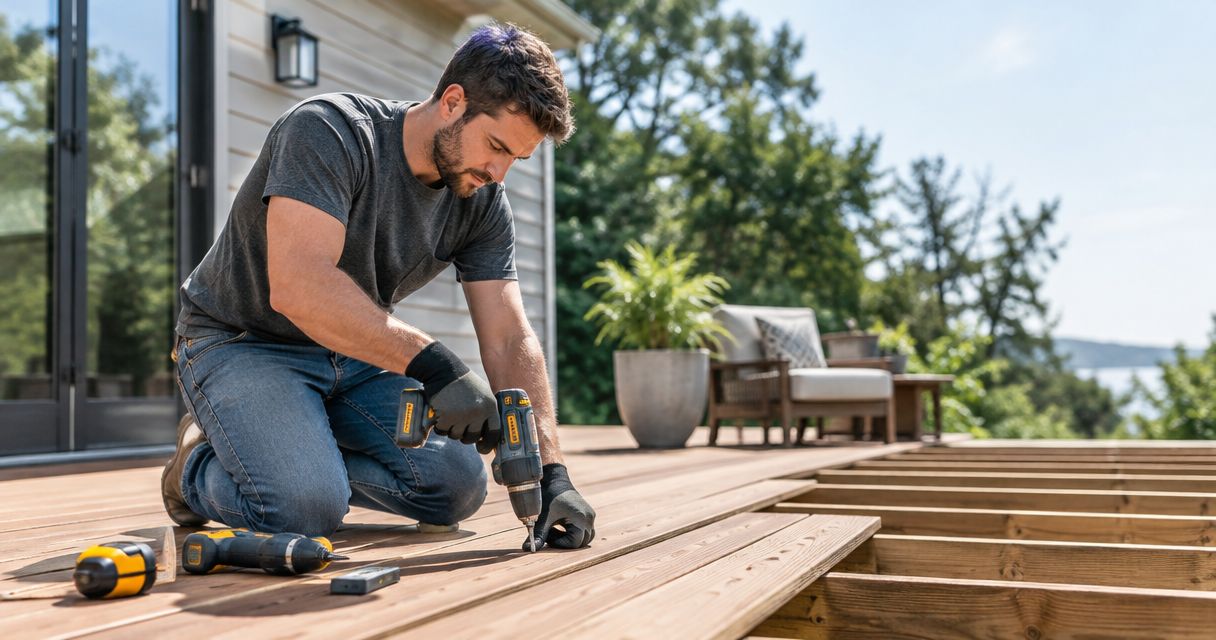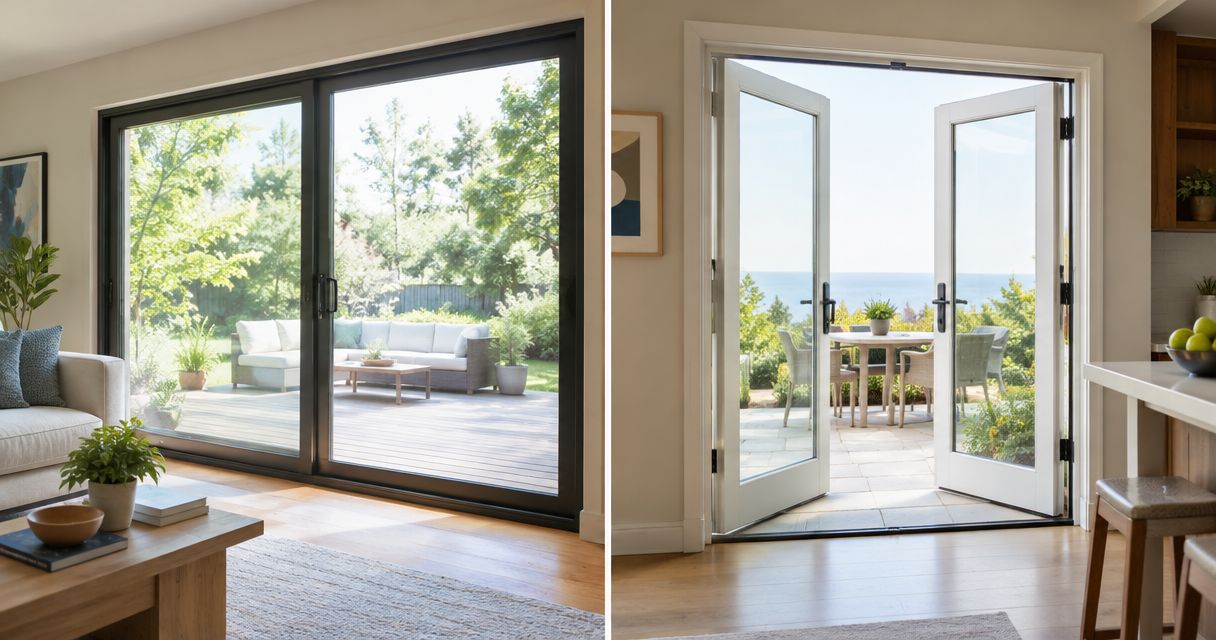
Choose a sliding patio door when you need to keep the floor and patio clear of a swinging panel; choose a hinged patio door when you have room for its swing and prefer that opening action. For patio door installation in 2026, the deciding factors are usable passage space, furniture placement, weather protection, and the condition of the existing opening—not appearance alone.
- For patio door installation, sliding doors suit tight layouts; hinged doors need clear swing space.
- Compare the usable opening, not just the frame width, before choosing a replacement patio door.
- Liberty Exteriors installs doors for Eau Claire and Chippewa Valley homeowners; confirm project details before choosing a configuration.
- Ask how the installer will handle sill drainage, flashing, surrounding trim, and concealed damage.
Why this matters
A patio door affects the way you use two spaces: the room inside and the landing, deck, or patio outside. A door that looks right in a photograph can interrupt a dining area, block a walking route, or leave less passage space than you expected.
Start by checking both sides of the opening. The guide to preparing for patio door installation helps you plan access and clear the work area, but the door's operating style needs a separate decision before ordering.
Choose the layout first, then compare the door's documented performance and installation details. Neither operating style fixes a poorly prepared opening.
Sliding or hinged patio doors: which fits your home?
Sliding doors fit rooms where a swinging panel would compete with furniture or foot traffic. Hinged doors fit layouts with a clear opening arc and suit homeowners who prefer a door that swings open. Compare these everyday trade-offs before selecting a replacement.
| Decision | Sliding patio door | Hinged patio door |
|---|---|---|
| Best for | Tight rooms and patios where swing clearance is limited | Layouts with clear swing space and a preference for hinged operation |
| How it opens | An operating panel moves sideways along a track | An operating panel swings inward or outward, depending on the unit |
| Main advantage | No opening arc across the room or patio | A familiar swinging action; some configurations allow both panels to open |
| Main limitation | A fixed panel limits passage in a typical configuration | The panel needs an unobstructed opening arc |
| Routine care | Keep tracks clear and maintain rollers and seals as directed | Maintain hinges, seals, and latching hardware as directed |
| What to verify | Actual clear opening and ease of sliding | Swing direction, handle clearance, and which panels operate |
The comparison is about configuration, not a blanket quality ranking. A well-specified sliding door and a well-specified hinged door both need correct support, weather protection, and adjustment.
Sliding patio doors: best for limited swing space
A sliding door keeps its operating panel within the frame's plane. That makes it useful beside a dining table, near a sofa, or where an outward-swinging panel would interrupt a deck walkway.
The trade-off is the passage opening. In a typical sliding configuration, one panel stays fixed while the other moves, so the full frame width is not available for walking through. Ask for the actual clear opening with the door fully open, especially if you regularly move bulky furniture or equipment outside.
Sliding operation also depends on the track and rollers. Dirt and debris can interfere with movement, and worn or poorly adjusted parts need attention. Try the proposed operating style if possible rather than assuming every sliding door requires the same effort.
Choose sliding when preserving clear floor space matters more than having swinging panels. Do not choose it solely because the existing door slides; a replacement is an opportunity to review how you use the room.
Hinged patio doors: best for layouts with clear swing space
A hinged patio door needs room for its panel to travel through an arc. An inward-opening unit uses interior space; an outward-opening unit uses exterior space. Check both the fully open position and the path the panel takes to get there.
Some paired hinged configurations allow both panels to open, while others have a fixed panel. Do not assume that a double-door appearance means a double-width passage. Ask which panels operate and how the secondary panel releases.
The benefit is a swinging action that some homeowners prefer. The drawback is the clearance it demands around furniture, curtains, planters, and walking routes. Screens also need a planned location and operating method.
Choose hinged when the swing fits naturally into your layout. If you must move a chair every time you open the door, reconsider the configuration.
Check the layout before choosing a door
For a 2026 replacement project, use these 3 checks before settling on sliding or hinged operation. Measurements should describe how you will use the door, not just the size of the existing frame.
- Check clearance. Mark the proposed swing on the floor for a hinged door. For a sliding door, identify the side that opens and check the walking route past furniture.
- Measure passage. Ask the installer for the usable opening of the proposed unit. Compare that opening with your everyday needs, including carrying items to the patio.
- Test access. Consider the threshold, handle reach, opening effort, and screen operation. Discuss mobility needs before selecting a unit rather than after installation.
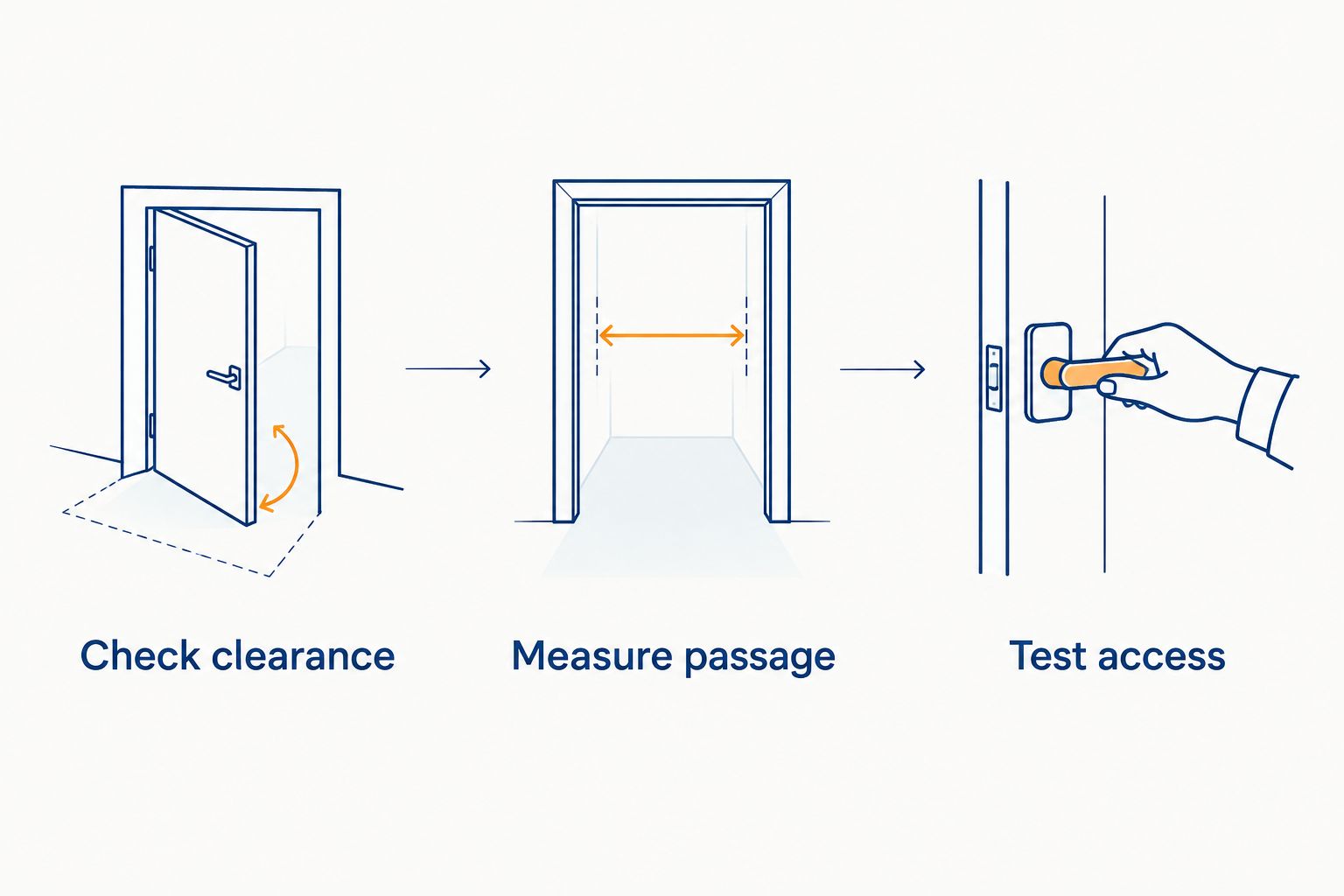
A tape outline on the floor makes a hinged panel's path easier to judge. Leave your furniture in its normal position during the check; an empty room gives a misleading impression of available space.
Outside, include the landing and the route toward steps or a seating area. If you are also changing the deck, settle the door configuration and deck relationship together rather than treating them as unrelated projects.
Why patio door installation varies
The operating style is only part of the job. These factors determine what the installer needs to inspect, explain, and include in the written scope.
- Existing frame condition. Water damage or deteriorated framing changes the preparation needed before a new unit can be secured.
- Opening size. Keeping an existing opening and changing its dimensions are different projects. Alterations require an assessment of the surrounding structure.
- Sill and drainage. Water needs a planned route away from the opening. Ask how the sill will be supported and how drainage paths will remain clear.
- Wall connections. Flashing must connect with the surrounding wall's water-management layers. Exterior trim alone does not explain how that connection will work.
- Interior and exterior finishes. Casing, flooring edges, siding, and exterior trim need a defined repair or replacement scope.
- Door configuration. Panel operation, swing direction, hardware, and screens affect both daily use and installation planning.
A useful proposal explains the opening and the installation, not just the door. Ask what happens if damage becomes visible after removal, and how additional work requires your approval.
What should you check for Wisconsin weather?
For a 2026 patio door comparison in Eau Claire, ask for the performance information for the exact unit being proposed. Do not treat the words sliding or hinged as an energy rating.
The National Fenestration Rating Council, or NFRC, label identifies whole-product energy performance. U-factor describes heat transfer; a lower U-factor means less heat passes through the rated product. Solar heat gain coefficient describes how much solar heat passes through it, so compare that information with the door's orientation and shading rather than choosing by a single label claim.
Installation details deserve equal attention. Ask how the installer will air-seal around the frame, protect the sill, and connect flashing to the wall. Insulation around the opening and water management serve different purposes; one does not replace the other.
Also consider exterior conditions. Snow, leaves, and debris can obstruct an opening or drainage route. Keep the area clear without blocking drainage holes or covering parts the manufacturer says must remain exposed.
How should you compare installation proposals?
Put the proposed configurations side by side before comparing the paperwork. A sliding unit with a fixed panel and a hinged unit with two operating panels do not provide the same opening, even when their overall dimensions are similar.
Use these 4 questions to make each 2026 proposal easier to evaluate:
- What exactly is included? Request the unit identification, panel arrangement, swing direction, glazing, hardware, screen, and finish details.
- How will the opening be prepared? Ask about removal, frame inspection, sill support, flashing, and air sealing.
- Which finishes will be restored? Confirm responsibility for interior casing, exterior trim, siding connections, and debris removal.
- Who covers which problems? Request separate explanations of the product warranty and the contractor's workmanship coverage, including exclusions and claim procedures.
Product warranties concern the manufacturer's stated coverage. Workmanship coverage concerns the installer's stated responsibilities. Do not assume one covers the other, and keep both documents with your project records.
Liberty Exteriors is a patio door installation option for Eau Claire and Chippewa Valley homeowners seeking a local exterior contractor. The company has served the area since 1984; use the same scope and warranty questions when discussing your project with Liberty Exteriors.
Can you replace a sliding door with a hinged door?
You can replace a sliding door with a hinged configuration when the opening, surrounding structure, and available clearances suit the proposed unit. The replacement is not automatically a direct swap, even if the frames appear similar in size.
Ask the installer to check the sill height, floor transition, landing, and wall connections. A change in swing or threshold can affect how you move between indoors and outdoors.
Does a hinged patio door provide a wider opening?
A hinged patio door provides a wider passage only when its configuration and dimensions allow it. A paired unit with two operating panels differs from a unit with one operating panel and one fixed panel.
Request the clear-opening measurement for each proposed door. Compare the usable passage rather than the product photograph or overall frame width.
Should you replace the frame with the patio door?
Replace or repair frame components when their condition or the replacement unit's installation requirements call for it. Covering damaged material does not correct the underlying problem.
Ask how the existing frame will be assessed and what remains in place. The answer should distinguish the new door assembly from surrounding structural framing and decorative trim.
FAQ
What's better for a small room, a sliding or hinged patio door?
A sliding patio door is usually the better layout choice when a swinging panel would compete with furniture or walking space. Check its usable passage width before choosing.
Are hinged patio doors always French doors?
Hinged patio doors are not defined solely by a French-door appearance. Confirm the panel arrangement, which panels open, and the swing direction instead of relying on the style name.
Is a sliding patio door less energy efficient than a hinged door?
Operating style alone does not determine energy performance. Compare the exact units' documented ratings and the proposed air-sealing and installation details.
Can my new patio door open in the opposite direction?
A different opening direction needs a configuration and clearance check before ordering. Ask the installer to confirm the interior layout, exterior landing, screen arrangement, and manufacturer requirements.
What should I ask about the patio door threshold?
Ask about threshold height, the floor transition, drainage, and everyday access. Discuss mobility needs before selecting the door so those requirements guide the choice.
Does the manufacturer's warranty cover installation problems?
The manufacturer's warranty covers only what its written terms specify. Request separate workmanship coverage from the installer and confirm how each type of claim is handled.
Does Liberty Exteriors install patio doors in the Eau Claire area?
Liberty Exteriors provides door installation services for residential and light commercial customers in Eau Claire, the Chippewa Valley, and west central Wisconsin. Discuss the opening, preferred operation, and installation scope when requesting a quote.
One last thing
Before approving your 2026 patio door installation, ask the installer to mark the proposed opening side or swing direction at your home. Stand where you normally cook, sit, or carry items outside. That simple check exposes layout conflicts that a catalog picture cannot show.
Choose the door you can use comfortably every day, then require a clear plan for keeping the opening supported, sealed, and drained.